




























The Evolution of the Modern Workstation
Workstations have come a long way from simple desks with desktop computers. Today, they are evolving into intelligent environments powered by technology, designed to enhance productivity, comfort, and efficiency.
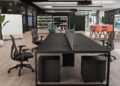
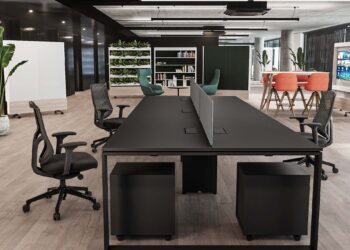
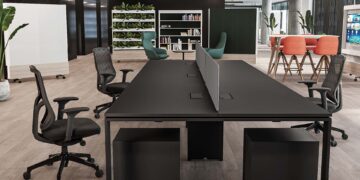
With the rise of hybrid work and digital transformation, companies are rethinking how workspaces function. Many are now taking cues from workspace solution providers such as Urban 411 office furniture, where modern workstation systems are designed to align with both technological integration and everyday usability.
This shift reflects a broader trend, the workstation is no longer just furniture, it is becoming a smart productivity hub.
What Is a Smart Workstation?
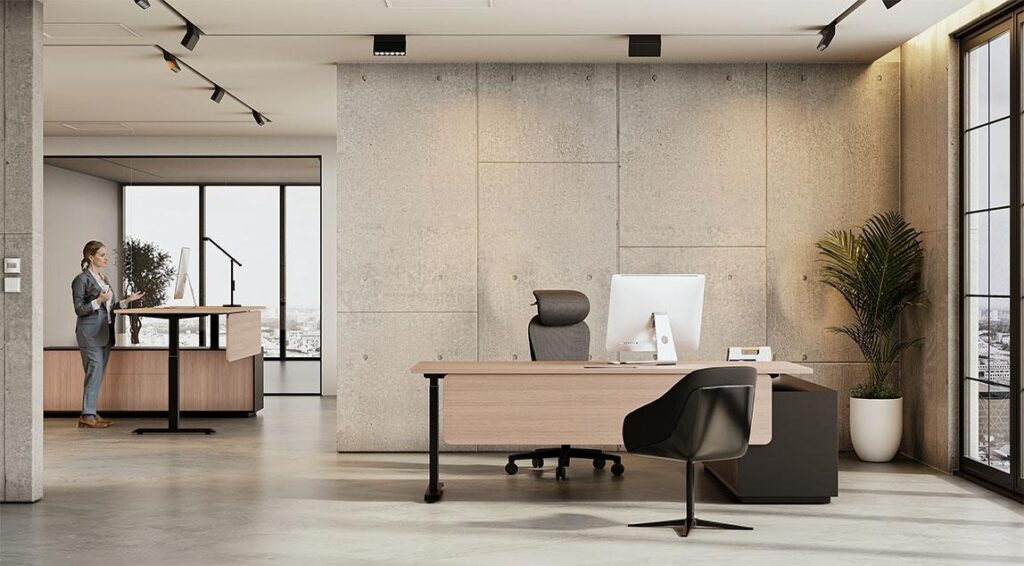
A smart workstation is a technology integrated workspace that adapts to user needs and improves workflow efficiency. Unlike traditional setups, these workstations combine physical furniture with digital capabilities.
Key Features of Smart Workstations
- Integrated cable management and wireless connectivity
- Height-adjustable desks with automated controls
- Built-in charging ports and device integration
- Sensor-based usage tracking
These features allow users to work more efficiently without constant manual adjustments.
How IoT Is Changing Workspaces
The Internet of Things (IoT) is playing a major role in transforming office environments. Connected devices are now being integrated into workstations to provide real-time data and automation.
Examples of IoT in Workspaces
- Desks that adjust height based on user preferences
- Sensors that track desk usage and occupancy
- Smart lighting systems that adapt to natural light levels
This level of automation helps create a more personalized and efficient work experience.
Ergonomics Meets Technology
Ergonomics has always been important, but technology is taking it to the next level. Modern workstations are now designed to actively support user health.
Benefits of Tech-Enabled Ergonomics
- Encourages movement with sit-stand desk functionality
- Reduces strain through adjustable configurations
- Improves posture with smart seating systems
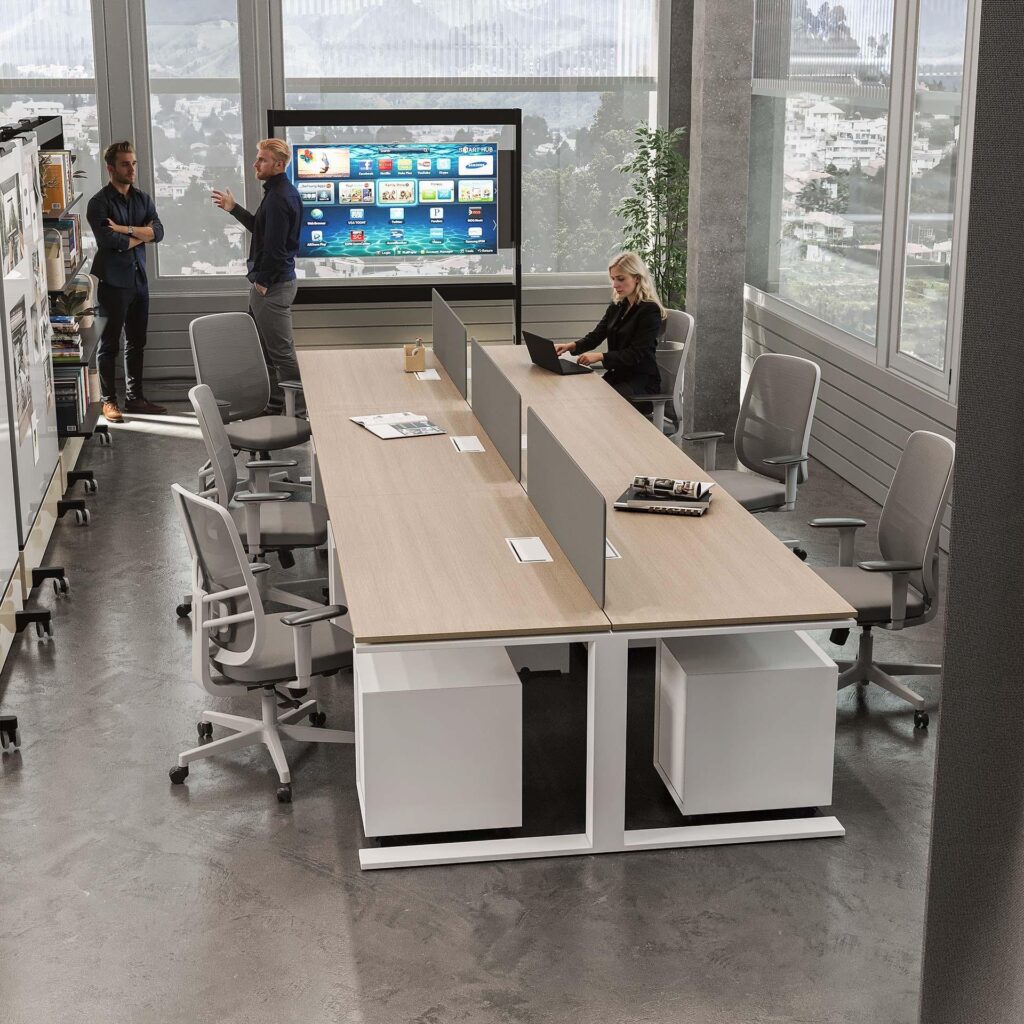
Height-adjustable desks, for example, are now equipped with memory settings, allowing users to switch positions effortlessly throughout the day. At the same time, many businesses are also focusing on sourcing practical workstation solutions, often working with suppliers like Urban 411 office furniture in Dubai and Abu Dhabi, to ensure that ergonomic design is supported by durable, real-world office setups that meet daily operational needs.
The Role of AI in Future Workstations
Artificial intelligence is beginning to influence workspace design. While still emerging, AI-powered systems are expected to make workstations more adaptive.
Potential AI Applications
- Personalized desk settings based on user behavior
- Predictive adjustments for lighting and posture
- Smart scheduling integration with workspace usage
These innovations could transform how people interact with their work environments in the near future.
Compact Tech Setups for Digital Professionals
As remote work and digital careers grow, compact yet powerful workstation setups are becoming more common.
Key Elements of Modern Compact Workstations
- Multi-functional desks that save space
- Wireless devices for cleaner setups
- High-performance laptops replacing bulky systems
These setups allow professionals, gamers, and content creators to maintain efficiency even in limited spaces.
Sustainability Through Smart Design
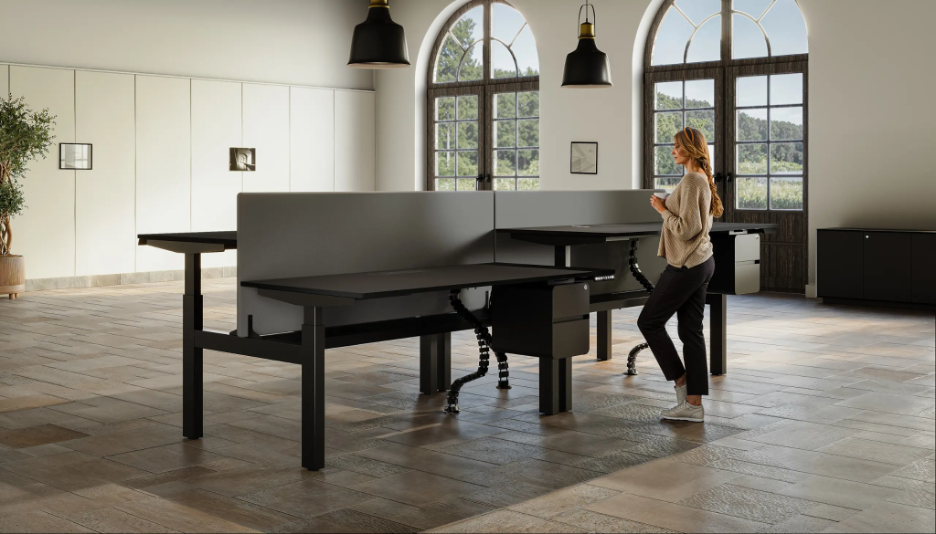
Technology is also helping make workspaces more sustainable. Smart systems can reduce energy usage and improve resource management.
Sustainable Features in Modern Workstations
- Energy-efficient lighting systems
- Durable materials designed for long-term use
- Modular furniture that reduces waste
This approach aligns with global trends toward environmentally responsible workplace design.
Challenges of Smart Workstations
Despite the benefits, there are still challenges to consider.
Common Challenges
- High initial investment costs
- Dependence on technology infrastructure
- Learning curve for new systems
However, as technology becomes more accessible, these challenges are gradually being reduced.
Final Thoughts
The modern workstation is evolving into a smart, connected environment that supports both productivity and wellbeing. As technology continues to advance, workspaces will become more adaptive, efficient, and personalized.
In the future, the line between technology and workspace design will continue to blur, creating environments that work seamlessly with the people who use them.